











Colostrum and breast milk are two biologically distinct stages of human milk that serve different purposes in early life. Colostrum appears first, immediately after birth, and provides concentrated immune protection in very small volumes.
-
 Colostrum vs Breast Milk: Color, Nutrients, Taste, and Key Differences ExplainedRead more
 -
 What Is Colostrum and Why Is It Trending in Nutrition?Read more
Colostrum is the first milk produced by mammals in the first days after giving birth. Unlike regular milk, it contains a dense concentration of immune compounds, growth factors, and proteins that support early development.
-
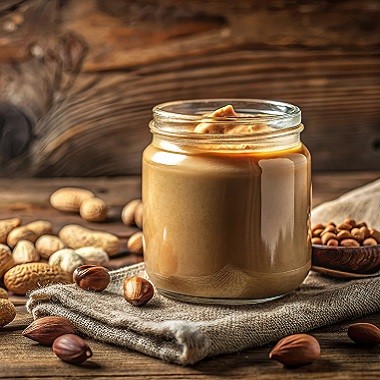 Sweet Spreads and Nut Butters: Are They Healthy or Just Sugar?Read more
Sweet spreads and nut butters can either support a balanced diet or contribute to excessive sugar intake. The difference lies in ingredients, processing methods, and portion sizes.
-
 How to Take Bovine Colostrum: A Practical Guide to Dosage and Daily UseRead more
Bovine colostrum is a concentrated nutritional substance obtained from the first milk produced by cows after calving. It delivers immunoglobulins, peptides, and growth factors that interact with the immune and digestive systems.
-
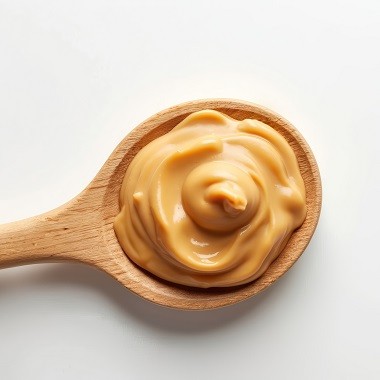 Nut Butters Compared: Almond, Peanut, Cashew - Which One Is Best?Read more
Nut butters differ in macronutrient composition, micronutrient content, and their role in specific diets. Almond butter provides more vitamins and fiber, peanut butter delivers the highest protein, and cashew butter offers a smoother texture with slightly different carbohydrate levels.
-
 Slow Metabolism? Practical Signs Your Body Needs SupportRead more
Feeling tired even after a full night’s sleep? Struggling to see results despite careful eating habits? Many people notice subtle physical changes long before they realize their metabolism has slowed. Recognizing early signals helps you respond with practical steps that support daily functioning and long-term balance.
-
 Overtraining Symptoms: When Hard Training Starts BackfiringRead more
Pushing harder often feels productive… until results slow down, strength plateaus, and energy levels remain low despite consistent effort. Many active people assume discipline is the missing factor, yet the real issue can be an imbalance between training stress and recovery capacity.
-
 Why You’re Always Hungry: Hunger vs Cravings ExplainedRead more
Feeling hungry again shortly after eating is a common experience, yet it rarely has a single cause. Appetite depends on physiology, digestion, daily habits, sleep quality, and emotional state. Many people misread normal signals from the body and end up eating more than they need. Learning how hunger works helps you make calmer, more precise choices around food and avoid unnecessary snacking.
-
 Cutting Calories Too Hard: Hidden Risks of Aggressive DietingRead more
Aggressive dieting might seem like a fast track to weight loss, but it can hide serious risks. Discover how cutting calories too hard harms your metabolism and overall health.
-
 Strength Training for Beginners: How to Avoid Early MistakesRead more
Starting strength training can be daunting. Beginners often face numerous challenges and make common mistakes that hinder progress. This article will guide you through how to start lifting weights safely and effectively, focusing on avoiding early pitfalls and optimizing your routine.
-
 Muscle Soreness: Helpful Signal or Warning Sign?Read more
Experiencing muscle soreness after a workout can be confusing. Is it a sign of progress or a warning? Our article explores the role of muscle soreness and offers tips to discern its meaning.
-
 Mental Fatigue vs Physical Fatigue: How to Tell the DifferenceRead more
Feeling drained and sluggish is common, but understanding whether it’s mental or physical fatigue can help target effective recovery strategies. Discover more as we delve into the distinctions and solutions.
-
 Training Consistency: Why Small Gaps Ruin Long-Term ProgressRead more
Skipping one workout rarely feels serious… but repeat it a few times and the difference becomes noticeable. Most people don’t lose results overnight. They lose them through small interruptions that slowly reduce performance.
Explore topics
Articles are for educational and informational purposes only. The substances described, including dietary supplements and peptides, may not be suitable for human consumption. The information contained in these articles should not be considered medical, pharmaceutical, or dietary recommendations.
Popularne posty
-
 Simple and easy weight loss rules for womenThe fight against excess weight can be long and arduous. The whole process requires not only self-discipline, but...Read more
 -
 Are you supplementing smart? 10 power combos for daily well-beingA supplement capsule can be more than just a dose of health - it can be a catalyst for deeper change. But did you...Read more
 -
 AAKG – facts and mythsAAKG, or L-arginine alpha-ketoglutarate, is a dietary supplement that is popular among physically active people...Read more
 -
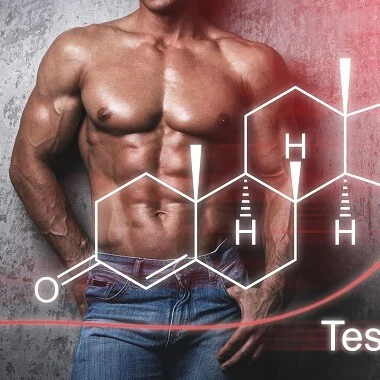 How to increase testosterone levels?Testosterone is one of the most important male hormones responsible for many functions in the body. It affects, among...Read more
 -
 How to lose weight effectively?Successful weight loss does not at all require sacrifices, catcalling at the gym and giving up all your favorite...Read more