

-
- show all
-
Trending Now
 Disabled this product current language
- Amino acids Amino acids
-
- show all
-
Trending Now
- Nootropics Nootropics
-
- show all
-
Trending Now

Peptides for Athletes: Recovery, Growth, and Hormonal Support
Posted on: 07/08/2025By Team BiolabPeptides are gaining attention in sports because they support recovery, muscle growth, and fat management without interfering with training. Athletes use them to improve performance, reduce downtime, and maintain hormonal balance. Knowing how peptides help athletic performance starts with understanding their targeted functions.
Peptides and Athletic Performance: What You Should Know
Understanding how peptides help athletic performance starts with knowing what peptides are. These short chains of amino acids act as signaling molecules in the body. They influence hormone release, tissue repair, and cellular regeneration. While naturally occurring, synthetic versions are designed for targeted functions, particularly in athletic and recovery contexts.
Peptides are not drugs. They don’t override natural systems but enhance the body’s responses. Many peptides support hormonal balance, increase energy efficiency, or help repair tissue after training. That’s why athletes use them to complement—not replace—training and nutrition.
Here’s how peptides influence athletic output:
- Enhance the body’s natural growth hormone response
- Reduce inflammation and oxidative stress
- Promote faster repair of damaged muscle fibers
- Support fat metabolism and lean mass retention
This makes them a popular tool among strength athletes, endurance competitors, and those recovering from injuries. The right peptide selection helps match product function with athletic needs.
Reducing Downtime: Faster Muscle Recovery with Peptides
Athletes who train regularly know that progress depends on recovery. This is where peptides for muscle recovery show their value. They assist in rebuilding muscle tissue, lowering inflammation, and restoring physical readiness after intense sessions. Faster recovery means higher training frequency—and ultimately, more progress.
Common recovery-related issues that peptides can help address:
- Delayed onset muscle soreness (DOMS)
- Tendon and joint inflammation
- Muscle fatigue from repeated strain
- Slower healing of microtears
Peptides support the healing of both soft and connective tissues. Instead of masking symptoms, they enhance biological repair pathways. This is especially helpful during peak training cycles or post-competition recovery phases.
A shorter recovery window allows for:
- More consistent training sessions
- Reduced risk of overtraining
- Improved sleep and tissue oxygenation
On tight training schedules, peptide therapy for athletes becomes a recovery tool that keeps them moving without compromising long-term performance.
Supporting Lean Muscle Growth Without Excess Size
Not all athletes want bulk. In many sports, lean mass and strength-to-weight ratio are more important than size. Understanding how to use peptides for muscle growth means enhancing quality muscle gain, not just bigger muscles.
Peptides used for growth typically work by:
- Stimulating natural growth hormone release
- Enhancing protein synthesis in muscle cells
- Promoting recovery between hypertrophy-focused sessions
- Preventing muscle loss during cutting cycles
This makes them useful in off-season growth phases and during active competition periods when maintaining mass under stress is key.
For athletes focused on:
- Maintaining speed and flexibility
- Gaining functional strength without fat
- Avoiding weight-class penalties
...peptides can support precise muscle development. This highlights the importance of selecting the best peptides for athletes based on specific goals, not general benefits.
Hormonal Support and Balance
Hormonal imbalances can affect everything from energy to sleep and motivation. Peptide therapy for athletes offers a way to support hormonal function without the risks of direct hormone replacement. Certain peptides help stimulate the natural production of growth hormone, supporting muscle repair, metabolism, and immune function.
Athletes dealing with signs of hormonal imbalance may notice:
- Unexplained fatigue
- Reduced performance endurance
- Slower recovery between sessions
- Mood or sleep disturbances
Peptides that target the hypothalamus-pituitary axis can support more balanced hormone levels without suppressing natural production. The result? More consistent energy and training quality over time.
Choosing peptides that support hormone health can mean:
- Improved recovery time
- More stable energy output
- Better appetite and sleep regulation
Hormonal consistency = more productive workouts and better long-term athletic stability.
Fat Management and Body Composition
For athletes, fat loss isn’t always about the scale—it’s about maintaining muscle while reducing body fat. A common question is how do peptides help to lose weight? The answer lies in their influence on metabolism and appetite control.
Some peptides boost:
- Lipolysis (fat breakdown)
- Insulin sensitivity (better nutrient partitioning)
- Resting metabolic rate
- Satiety signals (reducing overconsumption)
Athletes in cutting phases often want to lose fat without losing strength. Peptides help retain lean tissue by supporting protein synthesis even during calorie deficits. This is key for:
- Bodybuilders preparing for competitions
- Fighters managing weight classes
- Endurance athletes improving their power-to-weight ratio
With training and meal planning, weight-supportive peptides make body composition shifts more manageable.
Protecting Joints and Ligaments
Joint health is essential in high-impact or repetitive sports. Peptides for muscle recovery also benefit tendons and ligaments, which are slower to repair than muscle tissue. With the right peptides, athletes can reduce chronic soreness and protect against long-term wear.
Useful for athletes in:
- Running and track sports
- Grappling or striking martial arts
- Gymnastics or acrobatics
Peptides targeting connective tissue regeneration support collagen production and inflammation control. This can mean:
- Fewer joint-related breaks in training
- Better joint mobility under load
- Longer athletic career without injury accumulation
This makes recovery peptides part of a broader injury-prevention strategy, not just a post-injury solution.
How to Pick What Works for You
Choosing the best peptides for athletes depends on their personal training plan, goals, and physical condition. There is no one-size-fits-all, which is why peptide selection is a critical part of getting results.
Ask yourself:
- Are you focused on recovery, growth, or fat loss?
- What type of training do you do?
- Are you in a bulk, cut, or maintenance phase?
- Do you have previous injuries or recovery needs?
Matching the peptide to the goal avoids wasted effort and money. Some peptides work better during sleep, others are taken pre- or post-training. Timing and dosage matter.
Peptides and Cutting Phases: Keeping Muscle While Losing Fat
Managing fat loss without sacrificing muscle is a common challenge. This is where knowing how do peptides help to lose weight becomes especially valuable. Certain peptides support fat oxidation and glucose regulation, which impact lean tissue preservation during cuts.
Key benefits of cutting-phase peptide use:
- Improved energy use from stored fat
- Reduced catabolism (muscle breakdown)
- Better appetite control under calorie deficits
Athletes who train intensely while cutting often struggle with strength retention. Peptides that promote lean mass while enhancing fat metabolism help maintain performance even during hard dietary phases.
Combine with:
- Consistent sleep
- Macronutrient management
- Resistance training
…and peptides can become a lean-phase support tool that keeps your body strong while getting leaner.
Why Many Athletes Trust Biolab
There are many peptide providers, but not all verify what they sell. BIOLAB is quality proven by research. What makes Biolab different is transparency: We don’t just talk about purity—we show the actual concentration of active compounds. This level of clarity has built us a loyal base of serious athletes.
We don’t hide behind buzzwords. Our focus is:
- Reliable concentration in every product
- The widest selection in the market
- Full transparency with direct lab verification
That’s why our users trust us. Whether you’re new to peptides or experienced, knowing what you’re getting is essential—and that’s what we deliver.
Posted in: TipsThe Biolab team is a passion-driven group of specialists in the field of fitness and a healthy lifestyle. We are here to support you in achieving your goals - whether it’s a new record at the gym or simply having the energy for the whole day.
The secret to excellent shape lies in selecting the right tools and valuable knowledge. We provide you with both. We offer not only innovative solutions - from professional supplementation to support for daily health and beauty - but, above all, we discover and deliver transparent, reliable knowledge.
Choose proven solutions:
Related posts
-
 Which supplements for weight loss - what's the best choice?
Posted in: Tips07/12/2023Weight loss is a process whose effectiveness depends on the calorie deficit developed. The most important issue is...Read more
Which supplements for weight loss - what's the best choice?
Posted in: Tips07/12/2023Weight loss is a process whose effectiveness depends on the calorie deficit developed. The most important issue is...Read more -
 Which gym supplements to choose? - beginners guide
Posted in: Tips07/12/2023First visits to the gym are a time when our motivation is at a really high level. The vision of a sculpted physique...Read more
Which gym supplements to choose? - beginners guide
Posted in: Tips07/12/2023First visits to the gym are a time when our motivation is at a really high level. The vision of a sculpted physique...Read more -
 How do joint supplements work and when should you take them?
Posted in: Tips08/25/2023Joint pain is a common problem that affects many people, regardless of age. In many cases, it is caused by overload...Read more
How do joint supplements work and when should you take them?
Posted in: Tips08/25/2023Joint pain is a common problem that affects many people, regardless of age. In many cases, it is caused by overload...Read more -
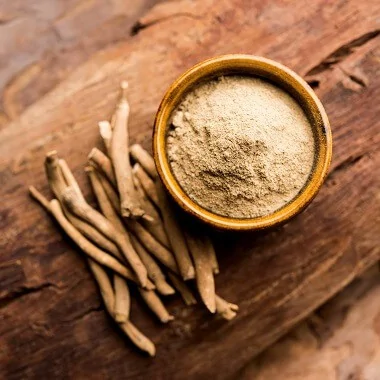 What does ashwagandha help with and how does it work?
Posted in: Tips08/25/2023Withania somnifera or Indian ginseng is a medicinal plant from regions of the Indian subcontinent. It is more...Read more
What does ashwagandha help with and how does it work?
Posted in: Tips08/25/2023Withania somnifera or Indian ginseng is a medicinal plant from regions of the Indian subcontinent. It is more...Read more -
 What are fat burners and how do they work?
Posted in: Tips08/25/2023People who want to reduce quickly are looking for various ways to speed up the entire process. One of them are fat...Read more
What are fat burners and how do they work?
Posted in: Tips08/25/2023People who want to reduce quickly are looking for various ways to speed up the entire process. One of them are fat...Read more -
 Why and when is it worth using supplements and nutrients?
Posted in: Tips08/25/2023Supplements, according to their classification, supplement the diet in case of deficiencies of specific ingredients...Read more
Why and when is it worth using supplements and nutrients?
Posted in: Tips08/25/2023Supplements, according to their classification, supplement the diet in case of deficiencies of specific ingredients...Read more -
 Are fat burners safe?
Posted in: Tips08/25/2023Fat burners are supplements that work by accelerating the reduction of fat tissue accumulated in the body. Such...Read more
Are fat burners safe?
Posted in: Tips08/25/2023Fat burners are supplements that work by accelerating the reduction of fat tissue accumulated in the body. Such...Read more -
 AAKG – facts and myths
Posted in: Tips10/26/2023AAKG, or L-arginine alpha-ketoglutarate, is a dietary supplement that is popular among physically active people...Read more
AAKG – facts and myths
Posted in: Tips10/26/2023AAKG, or L-arginine alpha-ketoglutarate, is a dietary supplement that is popular among physically active people...Read more -
 Vitamin D deficiency - symptoms and effects
Posted in: Tips10/26/2023Vitamin D3, known as cholecalciferol, is one of the key ingredients for human health. Despite its importance for our...Read more
Vitamin D deficiency - symptoms and effects
Posted in: Tips10/26/2023Vitamin D3, known as cholecalciferol, is one of the key ingredients for human health. Despite its importance for our...Read more -
 Stress and Your Gut: How Emotions Impact Digestion and Health
Posted in: Tips08/25/2025Stress does more than affect your mood—it changes how your digestive system functions. Poor concentration, bloating,...Read more
Stress and Your Gut: How Emotions Impact Digestion and Health
Posted in: Tips08/25/2025Stress does more than affect your mood—it changes how your digestive system functions. Poor concentration, bloating,...Read more -
 Nootropics: What Are They and How Can They Boost Focus and Workout Performance?
Posted in: Tips07/31/2025Focus, memory, and mental energy affect everything from daily tasks to training results. Nootropics support brain...Read more
Nootropics: What Are They and How Can They Boost Focus and Workout Performance?
Posted in: Tips07/31/2025Focus, memory, and mental energy affect everything from daily tasks to training results. Nootropics support brain...Read more -
 NAD+ Supplementation: How It Works and Who Might Benefit Most
Posted in: Tips07/23/2025NAD+ is a key molecule involved in energy production, metabolism, and cellular repair. As levels decline with age,...Read more
NAD+ Supplementation: How It Works and Who Might Benefit Most
Posted in: Tips07/23/2025NAD+ is a key molecule involved in energy production, metabolism, and cellular repair. As levels decline with age,...Read more
Blog navigationExplore topics
Newsletter
Get a discount on your first order

Expert in supplementation and innovative health, fitness, and beauty solutions.
Our company
Our company Contact
E-mail address
info@biolabshop.eu
WhatsApp
+44 739 8562 456ⓒ 2026 Biolabshop. All rights reserved. - Nootropics Nootropics
- Amino acids Amino acids