

-
- show all
-
Trending Now
 Disabled this product current language
- Amino acids Amino acids
-
- show all
-
Trending Now
Disabled this product current language
- Nootropics Nootropics
-
- show all
-
Trending Now

Nut Butters Compared: Almond, Peanut, Cashew - Which One Is Best?
Posted on: 04/14/2026Nut butters differ in macronutrient composition, micronutrient content, and their role in specific diets. Almond butter provides more vitamins and fiber, peanut butter delivers the highest protein, and cashew butter offers a smoother texture with slightly different carbohydrate levels. Choosing the right option depends on your goal: muscle growth, weight control, or low-carb nutrition. A clear comparison helps avoid random choices and aligns your diet with measurable outcomes.
From the article, you will learn:
- How almond, peanut, and cashew butter differ in nutrients and composition
- Which nut butter supports muscle growth most effectively
- How calorie density impacts daily intake and weight management
- Which option fits ketogenic and low-carb diets
- How fat types differ between nut butters
- What affects satiety and digestion
- How to match nut butter with your dietary goal
- What to look for when selecting a high-quality product
Almond Butter – Nutritional Value, Benefits, and Use
Almond butter stands out for its micronutrient density and balanced fat profile. In a detailed comparison of nut butters’ nutrition, almond butter consistently ranks high due to its vitamin E, magnesium, and fiber content. It supports cardiovascular health and provides long-lasting energy due to its fat composition. Almond butter contains around 50–55% fat, mostly monounsaturated fats, which are associated with better lipid profiles. It also delivers moderate protein, typically about 20–21g per 100g. This makes it a strong option for balanced diets rather than protein-focused plans.
Almond Butter and Weight Control
Almond butter is often considered when evaluating which nut butter is best for weight loss because of its fiber content. Fiber slows digestion and increases satiety, helping reduce overall calorie intake. When analyzing which nut butter is best for weight loss, almond butter provides an advantage due to its combination of fats and fiber. However, portion size remains critical, as calorie density is still high.
Almond Butter in Low-Carb Diets
Almond butter is one of the most suitable choices for a nut butter for the keto diet due to its low carbohydrate content and high fat ratio. It fits well into ketogenic meal plans without disrupting ketosis.
Peanut Butter – Protein Content and Athletic Support
Peanut butter is the leading option when protein intake is the priority. It is widely recognized as the best nut butter for protein, offering up to 25–26g of protein per 100g. This makes it particularly relevant for athletes and physically active individuals. In a broader comparison of nut butters’ nutrition, peanut butter delivers the highest protein concentration but slightly fewer micronutrients than almond butter. Its macronutrient profile supports energy and muscle.
Peanut Butter for Muscle Development
Peanut butter is frequently chosen as a nut butter for muscle gain due to its protein density and calorie content. It provides both energy and building blocks for muscle tissue. Using nut butter for muscle gain works best when paired with carbohydrate sources or post-workout meals, as it supports recovery and glycogen replenishment.
Fat Composition and Practical Use
Peanut butter contains a mix of monounsaturated and polyunsaturated fats. It is easy to incorporate into daily meals, including smoothies, breakfasts, and snacks.
Cashew Butter – Texture, Carbohydrates, and Versatility
Cashew butter is defined by its creamy consistency and slightly higher carbohydrate content. It contains less fiber and protein compared to almond and peanut butter, but it provides a smoother texture that works well in recipes. In a full nut-butter calorie comparison, cashew butter is slightly lower in calories, typically around 550–580 kcal per 100g. However, the difference is not large enough to significantly impact the diet without portion control.
Carbohydrates and Energy Profile
Cashew butter contains more carbohydrates, making it less suitable as a primary nut butter for a keto diet. However, it can still be included in moderate amounts depending on the overall carbohydrate limit.
Culinary Applications
Cashew butter blends easily into sauces, desserts, and spreads. Its mild flavor makes it versatile, especially in plant-based cooking.
Direct Comparison – Key Differences Explained
The differences between nut butters become clear when comparing protein, fat type, and carbohydrate levels. Almond butter leads in micronutrients, peanut butter in protein, and cashew butter in texture and versatility. Understanding the differences between nut butters allows for precise dietary choices. For example:
- Almond butter supports balanced nutrition
- Peanut butter supports strength and recovery
- Cashew butter supports culinary flexibility
Nut Butter Calories Comparison in Practice
A structured nut butter calories comparison shows that all three options are calorie-dense. Almond and peanut butter average around 600 kcal per 100g, while cashew butter is slightly lower. Managing intake based on nut butter calorie comparison helps prevent excess calorie consumption, especially when nut butters are used daily.
Choosing Based on Diet Goals
Selecting “what the healthiest nut butter is” depends on your dietary objective. Almond butter is often considered the most nutritionally balanced, while peanut butter excels in protein content. When defining the healthiest nut butter, context matters. For muscle gain, peanut butter is more suitable. For low-carb diets, almond butter is preferred.
Matching Nut Butter to Lifestyle
Each type serves a different function:
- Almond butter for balanced diets
- Peanut butter for active individuals
- Cashew butter for taste and texture diversity
For a broader selection, explore nut butters. At Biolab, products are supported by laboratory analysis that confirms their composition and concentration.
Practical Recommendations and Daily Use
Nut butters should be used in controlled portions and matched to your nutritional needs. A typical serving of 15–30g provides energy, fats, and additional nutrients.
Incorporating nut butter into meals can improve dietary consistency. It works well in breakfasts, snacks, and post-workout meals, depending on the type selected.
Consistency in use matters more than variety. Choosing a nut butter that aligns with your goal is more effective than randomly switching between options.
FAQ
Which nut butter is best for daily consumption?
Almond butter is often the most suitable for daily use because it provides a balance of fats, fiber, and micronutrients. It supports general health and can be easily incorporated into meals without significantly increasing carbohydrate intake.
Is peanut butter better than almond butter for protein?
Peanut butter contains more protein per serving, making it a stronger choice for those focused on muscle growth or increased protein intake. Almond butter still provides protein, but at a lower concentration.
Can I eat nut butter on a keto diet?
Yes, but the choice matters. Almond butter is the most suitable due to its low carbohydrate content. Peanut butter can also be included in moderation, while cashew butter should be limited.
Which nut butter has the lowest calories?
Cashew butter typically has slightly fewer calories than almond and peanut butter. However, the difference is small, so portion size remains more important than the type selected.
Is nut butter good for weight loss?
Nut butter can support weight loss if consumed in controlled portions. Its fat content increases satiety, which may help reduce overall calorie intake throughout the day.
How do I choose the right nut butter?
Choose based on your goal. For balanced nutrition, select almond butter. For higher protein intake, choose peanut butter. For cooking and texture, cashew butter works best.
Posted in: TipsFrom the very beginning of her cooperation with Biolabshop, Aleksandra Duba has combined professionalism with deep scientific commitment. In the past, she was a physique sports competitor, and her achievements include, among others, an Overall victory at the Olympia Amateur in Italy, which opened her way to the IFBB PRO professional league, as well as a 2nd place at the Arnold Sports Festival in Great Britain and the Polish Championship in 2022.
Her passion for sport and a healthy lifestyle has lasted over ten years. During this time, she systematically and consistently expanded her competencies in the field of dietetics, training, biohacking, and functional medicine, focusing on the practical application of scientific discoveries. Her core interests include the prevention of metabolic and hormonal diseases, anti-aging, and healthspan—the pursuit of maintaining a high quality of life and vitality in the long run.
[readmore]
What does Aleksandra do?
As part of the cooperation, she co-creates the brand's offer and systematically develops scientific competencies, sharing knowledge on her social media profile. She publishes content showing a unique approach to biological issues and materials tailored to audiences with diverse levels of expertise. She also considers the latest scientific reports on products currently in laboratory research phases, including peptides. She encourages the exploration of both basic and advanced aspects of supplementation.
Why is it worth following her progress?
From the perspective of her commitment to a personalized approach, she strives to maximize effects, placing particular emphasis on the holistic nature of well-being. The physical and mental spheres interact in synergy, which opens up infinite possibilities for development and self-improvement.
Related posts
-
 Which supplements for weight loss - what's the best choice?
Posted in: Tips07/12/2023Weight loss is a process whose effectiveness depends on the calorie deficit developed. The most important issue is...Read more
Which supplements for weight loss - what's the best choice?
Posted in: Tips07/12/2023Weight loss is a process whose effectiveness depends on the calorie deficit developed. The most important issue is...Read more -
 Which gym supplements to choose? - beginners guide
Posted in: Tips07/12/2023First visits to the gym are a time when our motivation is at a really high level. The vision of a sculpted physique...Read more
Which gym supplements to choose? - beginners guide
Posted in: Tips07/12/2023First visits to the gym are a time when our motivation is at a really high level. The vision of a sculpted physique...Read more -
 How do joint supplements work and when should you take them?
Posted in: Tips08/25/2023Joint pain is a common problem that affects many people, regardless of age. In many cases, it is caused by overload...Read more
How do joint supplements work and when should you take them?
Posted in: Tips08/25/2023Joint pain is a common problem that affects many people, regardless of age. In many cases, it is caused by overload...Read more -
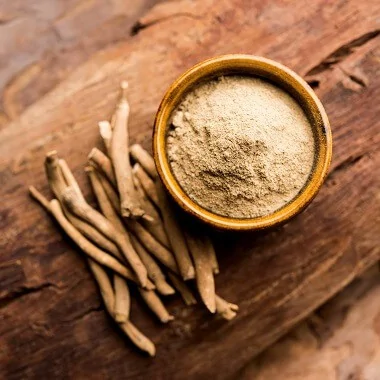 What does ashwagandha help with and how does it work?
Posted in: Tips08/25/2023Withania somnifera or Indian ginseng is a medicinal plant from regions of the Indian subcontinent. It is more...Read more
What does ashwagandha help with and how does it work?
Posted in: Tips08/25/2023Withania somnifera or Indian ginseng is a medicinal plant from regions of the Indian subcontinent. It is more...Read more -
 What are fat burners and how do they work?
Posted in: Tips08/25/2023People who want to reduce quickly are looking for various ways to speed up the entire process. One of them are fat...Read more
What are fat burners and how do they work?
Posted in: Tips08/25/2023People who want to reduce quickly are looking for various ways to speed up the entire process. One of them are fat...Read more -
 Why and when is it worth using supplements and nutrients?
Posted in: Tips08/25/2023Supplements, according to their classification, supplement the diet in case of deficiencies of specific ingredients...Read more
Why and when is it worth using supplements and nutrients?
Posted in: Tips08/25/2023Supplements, according to their classification, supplement the diet in case of deficiencies of specific ingredients...Read more -
 Are fat burners safe?
Posted in: Tips08/25/2023Fat burners are supplements that work by accelerating the reduction of fat tissue accumulated in the body. Such...Read more
Are fat burners safe?
Posted in: Tips08/25/2023Fat burners are supplements that work by accelerating the reduction of fat tissue accumulated in the body. Such...Read more -
 AAKG – facts and myths
Posted in: Tips10/26/2023AAKG, or L-arginine alpha-ketoglutarate, is a dietary supplement that is popular among physically active people...Read more
AAKG – facts and myths
Posted in: Tips10/26/2023AAKG, or L-arginine alpha-ketoglutarate, is a dietary supplement that is popular among physically active people...Read more -
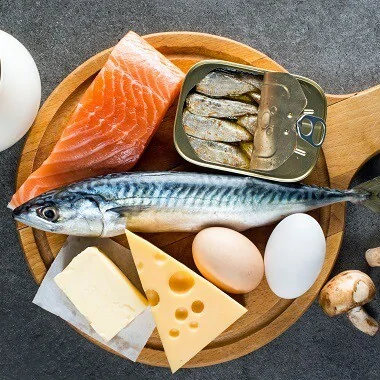 Vitamin D deficiency - symptoms and effects
Posted in: Tips10/26/2023Vitamin D3, known as cholecalciferol, is one of the key ingredients for human health. Despite its importance for our...Read more
Vitamin D deficiency - symptoms and effects
Posted in: Tips10/26/2023Vitamin D3, known as cholecalciferol, is one of the key ingredients for human health. Despite its importance for our...Read more -
 Stress and Your Gut: How Emotions Impact Digestion and Health
Posted in: Tips08/25/2025Stress does more than affect your mood—it changes how your digestive system functions. Poor concentration, bloating,...Read more
Stress and Your Gut: How Emotions Impact Digestion and Health
Posted in: Tips08/25/2025Stress does more than affect your mood—it changes how your digestive system functions. Poor concentration, bloating,...Read more -
 Nootropics: What Are They and How Can They Boost Focus and Workout Performance?
Posted in: Tips07/31/2025Focus, memory, and mental energy affect everything from daily tasks to training results. Nootropics support brain...Read more
Nootropics: What Are They and How Can They Boost Focus and Workout Performance?
Posted in: Tips07/31/2025Focus, memory, and mental energy affect everything from daily tasks to training results. Nootropics support brain...Read more -
 NAD+ Supplementation: How It Works and Who Might Benefit Most
Posted in: Tips07/23/2025NAD+ is a key molecule involved in energy production, metabolism, and cellular repair. As levels decline with age,...Read more
NAD+ Supplementation: How It Works and Who Might Benefit Most
Posted in: Tips07/23/2025NAD+ is a key molecule involved in energy production, metabolism, and cellular repair. As levels decline with age,...Read more
Blog navigationExplore topics
Newsletter
Get a discount on your first order

Expert in supplementation and innovative health, fitness, and beauty solutions.
Our company
Our company Contact
E-mail address
info@biolabshop.eu
WhatsApp
+44 739 8562 456ⓒ 2026 Biolabshop. All rights reserved. - Nootropics Nootropics
- Amino acids Amino acids