

-
- show all
-
Trending Now
- Amino acids Amino acids
-
- show all
-
Trending Now
- Nootropics Nootropics
-
- show all
-
Trending Now
- Peptides Peptides
-
- show all
-
- show all
-
Type
- show all
- 5-AMINO-1MQ
- THYMOSIN
- ACTH-1-39
- Adamax Peptide for Research
- AOD-9604
- ARG-BPC
- B7-33
- BPC-157
- BRONCHOGEN
- Show more
- CARDIOGEN
- CJC-1295
- CJC-DAC
- CORTAGEN
- DSIP
- EPITHALON
- GC-1-SOBETIROME
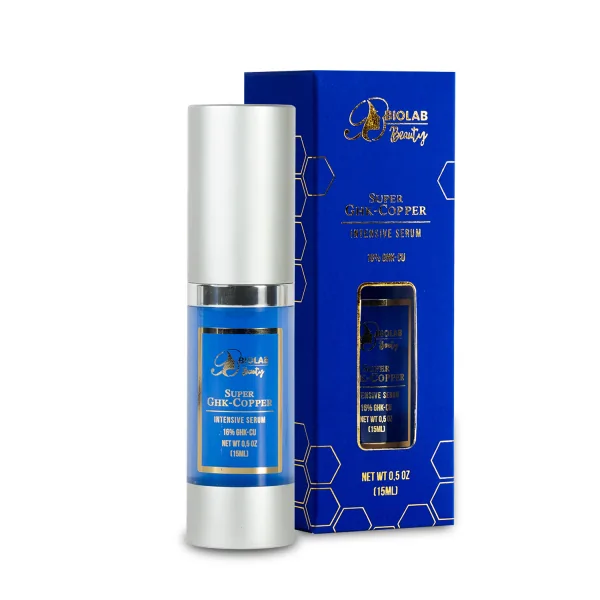
- GHK-CU Cosmetics & Supplements
- GHRP-6
- SELANK
- GLP-1
- GRF
- HGH: Top quality Human Growth Hormone
- HGH FRAGMENT 176-191
- IGF-1-LR3
- IGF-DES
- IPAMORELIN
- KISSPEPTIN
- KPV
- LARAZOTIDE ACETATE
- Lipotropin
- LL-37
- LIVAGEN
- MATRIXYL
- MELANOTAN
- MELANOTAN 2
- MOTS
- N-ACETYL
- OXYTOCIN
- P-21
- PANCRAGEN
- PEG-MGF
- PROSTAMAX
- PT-141
- RETATRUTIDE
- SEMAX
- SERMORELIN
- SLU-PP-332
- SNAP-8
- TB-500
- THROMBIN PEPTIDE TP508
- Thymogen Alpha-1
- Thymosin Alpha 1
- TRH
- VIP
- Sarms Sarms
- Cosmetics Cosmetics
-
- show all
-
Trending Now

Author: Aleksandra Duba
From the very beginning of her cooperation with Biolabshop, Aleksandra Duba has combined professionalism with deep scientific commitment. In the past, she was a physique sports competitor, and her achievements include, among others, an Overall victory at the Olympia Amateur in Italy, which opened her way to the IFBB PRO professional league, as well as a 2nd place at the Arnold Sports Festival in Great Britain and the Polish Championship in 2022.
Her passion for sport and a healthy lifestyle has lasted over ten years. During this time, she systematically and consistently expanded her competencies in the field of dietetics, training, biohacking, and functional medicine, focusing on the practical application of scientific discoveries. Her core interests include the prevention of metabolic and hormonal diseases, anti-aging, and healthspan—the pursuit of maintaining a high quality of life and vitality in the long run.
[readmore]
What does Aleksandra do?
As part of the cooperation, she co-creates the brand's offer and systematically develops scientific competencies, sharing knowledge on her social media profile. She publishes content showing a unique approach to biological issues and materials tailored to audiences with diverse levels of expertise. She also considers the latest scientific reports on products currently in laboratory research phases, including peptides. She encourages the exploration of both basic and advanced aspects of supplementation.
Why is it worth following her progress?
From the perspective of her commitment to a personalized approach, she strives to maximize effects, placing particular emphasis on the holistic nature of well-being. The physical and mental spheres interact in synergy, which opens up infinite possibilities for development and self-improvement.
Sort by:-
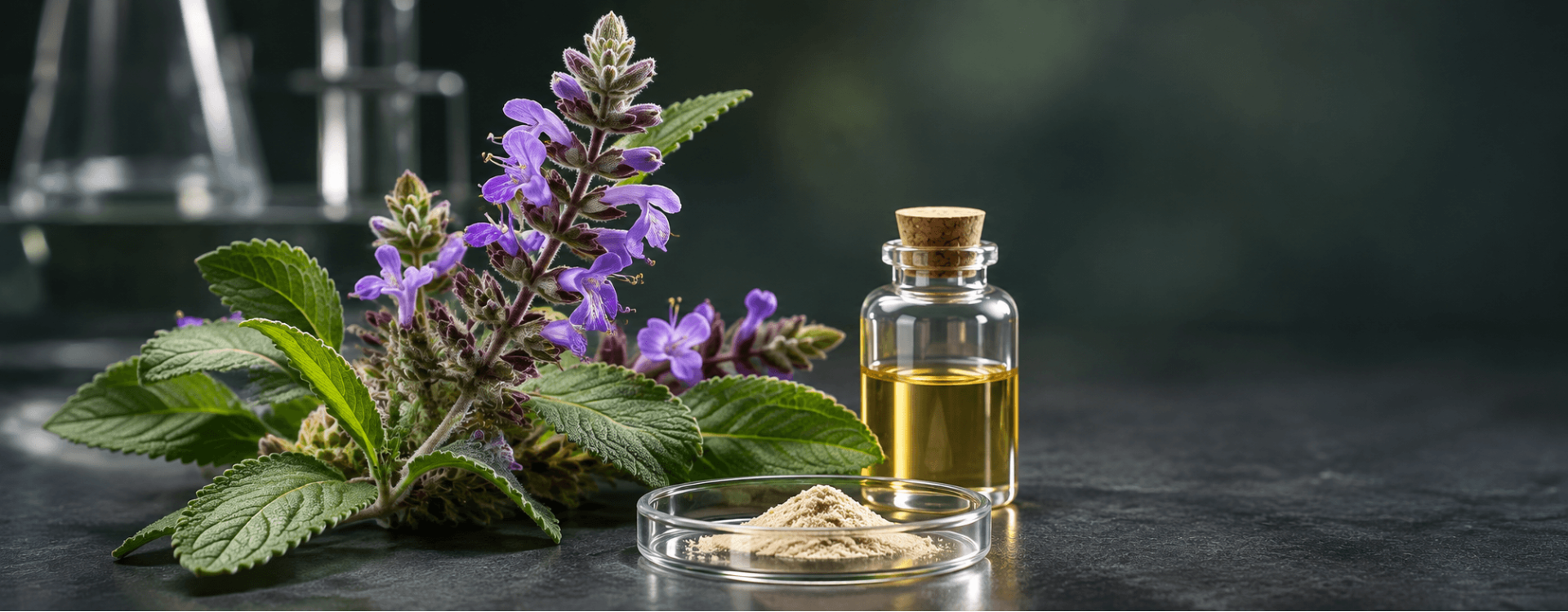 Is Turkesterone a Steroid? What It Actually Is
Chemically, a steroid is any compound built on the cyclopentanoperhydrophenanthrene ring system. Cholesterol is a steroid. So is vitamin D. So is turkesterone. Colloquially, “steroids” means anabolic androgenic steroids — testosterone and its synthetic derivatives, which act on the androgen receptor and carry a well-known profile of effects. Turkesterone is the first and not the second. It belongs to the phytoecdysteroids, plant analogues of insect moulting hormones, which form a distinct class.
Read more -
 Olive oil and brain health: What the research really shows
Some of the most interesting substances in brain-health research do not come in a capsule. One of them has been poured over bread, vegetables and fish around the Mediterranean for thousands of years — and it is probably already in your kitchen. But the bottle matters more than most people think. Here is what three recent studies found about olive oil and the brain, what the bitter, peppery compounds in extra virgin olive oil actually are, and how to choose an oil worth using every day.
Read more -
 What does creatine do? It delivers energy, and 3 g a day gets You there
A loading phase of 20 g of creatine a day raises muscle creatine by about 20% in six days. A small dose of 3 g a day reaches the same 20% in about a month.
Read more -
 Does nicotine affect sleep? What one controlled study measuredPosted in: Science Hub
Yes, and the size of the effect is larger than most people expect. In a controlled crossover study, a single overnight nicotine patch reduced total sleep time from 423 minutes to 322 — roughly 100 minutes lost — in healthy men who had never used nicotine. Sleep efficiency fell from 91.6% to 72.5%, and REM sleep was suppressed. One dose, in nicotine-naïve people. If you are using nicotine to think more clearly, this is the finding that should give you the longest pause.
Read more -
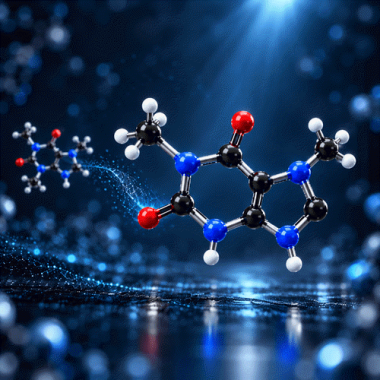 What is paraxanthine, and where does it come from?Posted in: Science Hub
Most descriptions of paraxanthine begin by calling it a caffeine metabolite and move on. That phrasing undersells the point. Paraxanthine is not a minor by-product of caffeine metabolism — it is, quantitatively, what caffeine mostly turns into, and it is present in the bloodstream of habitual coffee drinkers at higher concentrations than caffeine itself.
Read more -
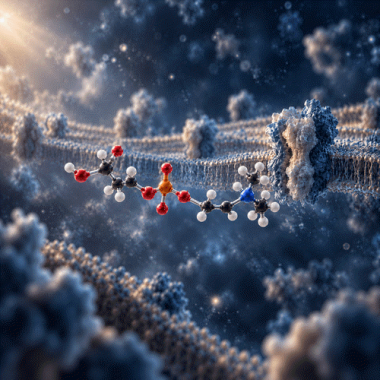 Nicotine withdrawal timeline: What recovers, and whenPosted in: Science Hub
Nicotine receptor changes fully reverse in about three weeks. Brain imaging in people who quit shows receptor binding peaking around day 10 of abstinence — higher than when they were using — then returning to non-user levels by day 21. Withdrawal symptoms peak in the first week and resolve over two to four weeks. This is a short, defined process with an endpoint, which is not how it feels from inside week one.
Read more -
 Does nicotine improve focus? What the clinical trials actually foundPosted in: Science Hub
Yes — nicotine measurably improves attention, fine motor performance and short-term memory, and this holds in people who have never used it, so it is not simply the relief of withdrawal. The effect is real but modest: the largest measured benefit, on short-term episodic memory, is an effect size of 0.44. The harder question is what happens to that benefit over months, and what it costs to keep.
Read more -
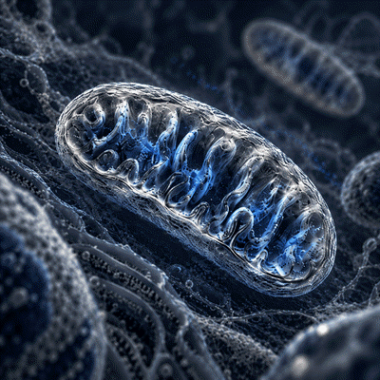 Methylene Blue vs NAD+: Which one actually works with Your mitochondria?Posted in: Science Hub
Both get lumped together online under "mitochondrial support" — but mechanistically, they do almost opposite jobs, and mixing them up matters. Quick answer: NAD+ precursors resupply a natural fuel source for a healthy electron transport chain. Methylene blue is a synthetic dye that reroutes electrons around a blocked part of the chain. They are not interchangeable tools.
Read more -
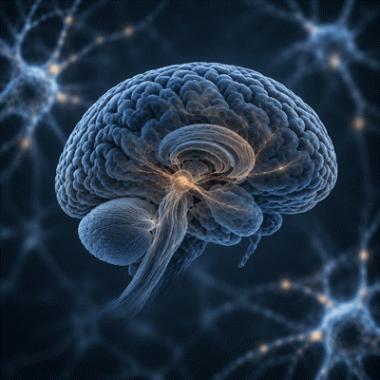 NAD+ and dopamine: what happens after your brain uses itPosted in: Science Hub
Dopamine gets all the attention. Its breakdown products get almost none — and one of them is where NAD+ quietly earns its reputation in brain science. Almost every conversation about dopamine is about how to get more of it. Focus, motivation, drive, reward. Far fewer people ask the question that matters just as much for long-term brain health: what happens to dopamine once the brain has finished using it? The answer runs through NAD+ — and it is the most direct link between a molecule usually...
Read more -
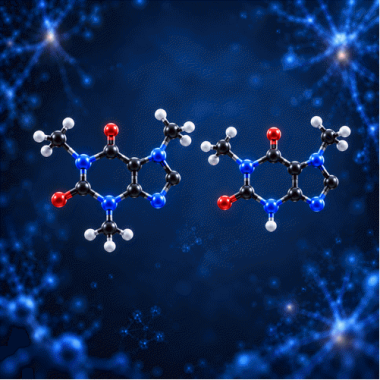 Paraxanthine vs Caffeine: What actually separates themPosted in: Science Hub
Paraxanthine and caffeine differ by the position of a single methyl group. Caffeine is 1,3,7-trimethylxanthine; paraxanthine is 1,7-dimethylxanthine. On paper the two molecules are near-twins. In practice that one structural difference produces several measurable pharmacological ones, and a few of them run in the opposite direction to what the marketing suggests.
Read more -
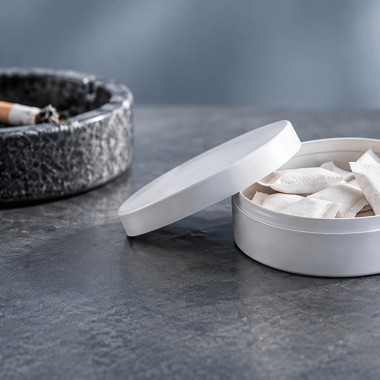 Are nicotine pouches bad for you? What the evidence actually showsPosted in: Science Hub
Nicotine pouches remove the smoke, the tar and the tobacco leaf, which removes the largest sources of cancer risk in cigarettes. But they are not a low-dose product. Independent laboratory measurements show a strong pouch delivers roughly double the peak blood nicotine of a cigarette. For someone who already smokes, switching is a meaningful reduction in harm. For someone who does not, a pouch is not a mild habit. That distinction - smoker versus non-smoker - decides almost every honest...
Read more -
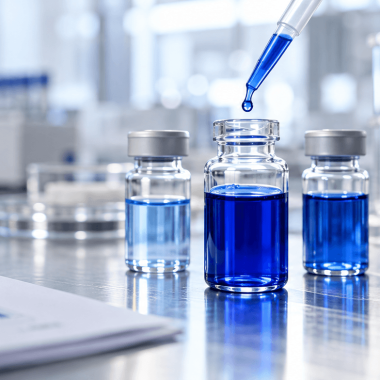 Methylene blue buying guide: FDA warnings, grades, and what you should check firstPosted in: Science Hub
The same three words, "methylene blue," describe a £6 aquarium bottle, a lab reagent, and a pharmacy-compounded medicine — and the label rarely tells you which one you're actually holding. Quick answer: Methylene blue quality ranges enormously by grade. The FDA treats health-claim products as unapproved drugs, and only USP (pharmaceutical) grade is manufactured and tested to standards appropriate for internal use.
Read more -
 Methylene blue and the brain: what the biggest clinical trial ever run actually foundPosted in: Science Hub
It sharpens memory and revs up mitochondria in rats at tiny doses. Then the largest, most expensive human trial ever built to test that exact idea came back negative. Methylene blue shows genuine cognitive and mitochondrial effects in animal studies at very specific low doses, but three large human Alzheimer's trials found no meaningful cognitive benefit over a low-dose comparator.
Read more
Explore topics
Articles are for educational and informational purposes only. The substances described, including dietary supplements and peptides, may not be suitable for human consumption. The information contained in these articles should not be considered medical, pharmaceutical, or dietary recommendations.Popular posts
-
 Simple and easy weight loss rules for women10/26/2023Posted in: DietThe fight against excess weight can be long and arduous. The whole process requires not only self-discipline, but...Read more
-
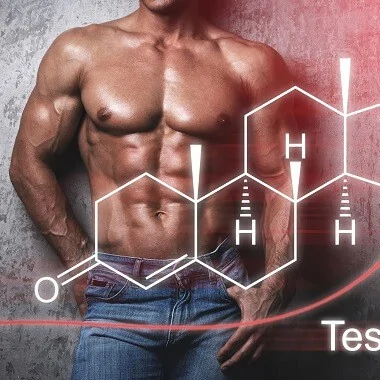 How to increase testosterone levels?Testosterone is one of the most important male hormones responsible for many functions in the body. It affects, among...Read more
-
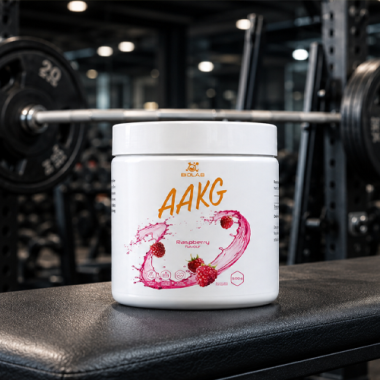 AAKG – facts and myths10/26/2023Posted in: TipsAAKG, or L-arginine alpha-ketoglutarate, is a dietary supplement that is popular among physically active people...Read more
-
 Are you supplementing smart? 10 power combos for daily well-being07/31/2025Posted in: TipsA supplement capsule can be more than just a dose of health - it can be a catalyst for deeper change. But did you...Read more
-
 Which supplements for weight loss - what's the best choice?07/12/2023Posted in: TipsWeight loss is a process whose effectiveness depends on the calorie deficit developed. The most important issue is...Read more
Newsletter
Get a discount on your first order

Expert in supplementation and innovative health, fitness, and beauty solutions.

Offer
Offer Our company
Our company Contact
E-mail address
[email protected]
WhatsApp
+44 739 8562 456ⓒ 2026 Biolabshop. All rights reserved. -
- Peptides Peptides
- Nootropics Nootropics
- Amino acids Amino acids